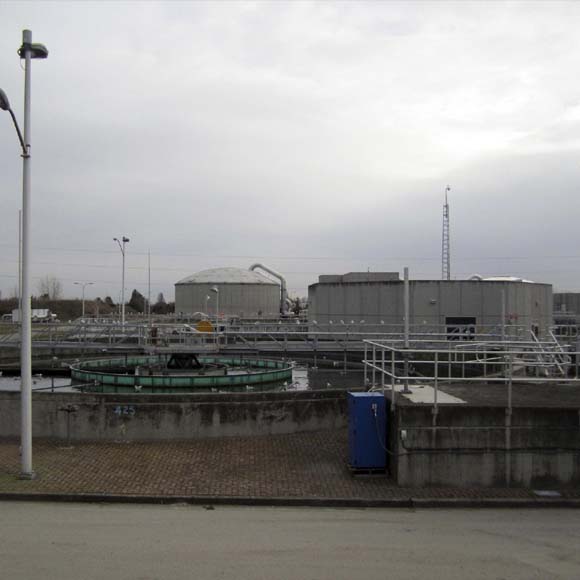
A Wastewater Treatment Plant (WWTP) is an advanced water treatment system designed to treat wastewater generated from residential, commercial, municipal, and industrial sources. Wastewater often contains suspended solids, organic matter, chemicals, oils, grease, nutrients, and harmful microorganisms that must be removed before discharge or reuse. A wastewater treatment plant processes these contaminants through a series of treatment stages to produce treated water that meets environmental and regulatory standards.
The treatment process typically includes preliminary screening, equalization, primary clarification, biological treatment, secondary settling, filtration, and disinfection. Depending on the wastewater characteristics and reuse requirements, advanced technologies such as MBBR, SBR, MBR, ultrafiltration, reverse osmosis, and UV disinfection may be incorporated. These treatment stages work together to reduce Biological Oxygen Demand (BOD), Chemical Oxygen Demand (COD), Total Suspended Solids (TSS), pathogens, and other pollutants, ensuring effective purification of wastewater.
Wastewater Treatment Plants play a vital role in protecting natural water resources, preventing environmental pollution, and supporting water conservation initiatives. Modern systems are designed for high treatment efficiency, automation, and cost-effective operation. By enabling water recycling and reducing freshwater consumption, wastewater treatment plants contribute significantly to sustainable development and responsible resource management across various sectors.