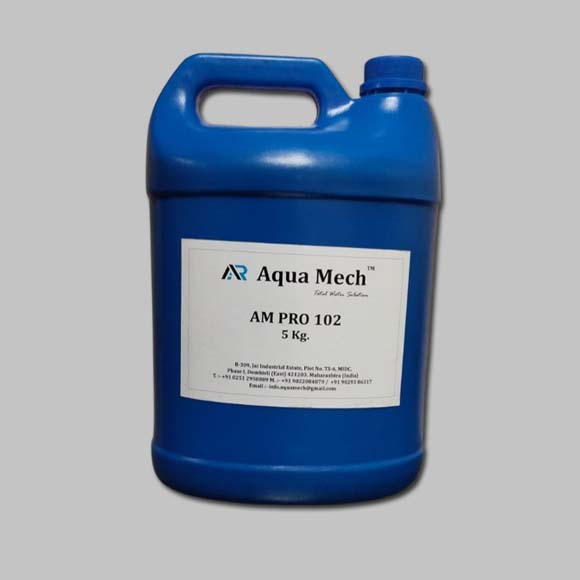
Water Treatment Chemicals are specialized formulations used to treat water by removing contaminants, controlling biological activity, preventing scale formation, and minimizing corrosion in water systems. These chemicals play a critical role in maintaining water quality and ensuring the efficient operation of water treatment plants, boilers, cooling towers, RO systems, ETPs, and STPs. They help optimize treatment processes while protecting equipment and infrastructure from damage caused by impurities and deposits.
Various types of water treatment chemicals are used depending on the application and water quality requirements. Common chemicals include coagulants, flocculants, pH adjusters, antiscalants, corrosion inhibitors, biocides, disinfectants, dechlorination agents, activated carbon additives, and RO membrane cleaning chemicals. These products assist in removing suspended solids, reducing hardness, controlling microorganisms, and improving the overall effectiveness of water treatment processes. Proper chemical dosing ensures consistent water quality and compliance with operational standards.
Water Treatment Chemicals are widely used due to their effectiveness, versatility, and ability to enhance system performance. They help reduce maintenance costs, extend equipment lifespan, improve operational efficiency, and support environmental compliance. When selected and applied correctly, these chemicals contribute significantly to sustainable water management and reliable treatment outcomes across various industries and facilities.