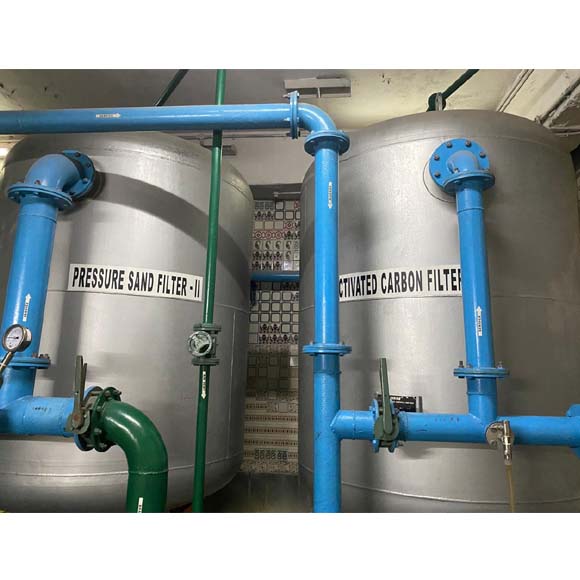
A Water Treatment Plant (WTP) is a comprehensive water purification system designed to treat raw water obtained from sources such as rivers, lakes, borewells, reservoirs, and municipal supplies. The plant removes physical, chemical, and biological contaminants to make water suitable for drinking, industrial processes, commercial use, and other applications. Water Treatment Plants play a crucial role in ensuring a consistent supply of high-quality water while protecting public health and industrial operations.
The treatment process typically involves multiple stages, including screening, coagulation, flocculation, sedimentation, filtration, activated carbon treatment, softening, reverse osmosis, ultrafiltration, and disinfection. Depending on the source water quality and application requirements, different treatment technologies are integrated to remove suspended solids, dissolved salts, hardness, microorganisms, color, odor, and harmful chemicals. The result is treated water that meets required quality standards for its intended use.
Water Treatment Plants are widely used due to their efficiency, reliability, and ability to handle varying water quality conditions. They help improve water safety, reduce equipment scaling and corrosion, and support sustainable water management practices. With automated controls, energy-efficient operation, and customizable designs, modern WTP systems provide long-term solutions for residential, commercial, industrial, and municipal water treatment needs.